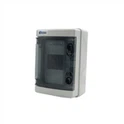
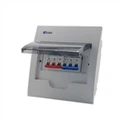
1. Material selection: When considering product safety performance, the impact resistance, static load strength, insulation performance, aging resistance, corrosion resistance, and flame retardancy of the material should be considered. If the motor junction box encounters a fire, it will not release toxic and harmful gases when it burns.
2. Structural design: The overall strength, beautiful appearance, easy processing, easy installation and recyclability of the motor junction box should be considered. At present, there are no metal parts in the boxes produced by manufacturers, which can simplify the recycling process of the products. But now most manufacturers choose different materials, and the material has poor resistance to waxy change. Generally, brass inserts are installed in the mounting sockets in the box to increase the installation strength, which will increase time and cost for the material recovery process. . This type of problem can be solved if the raw materials provided by qualified manufacturers are selected.
3. Wall thickness: Generally, when designing the product, the overall cost of the product should be considered as far as possible to reduce the product wall thickness as much as possible while meeting the product's impact resistance and anti-wax performance. When designing the motor junction box, the wall thickness of ABS and PC materials is generally between 2.5~3.5, the wall thickness of glass fiber reinforced polyester is generally between 5~6.5, and the wall thickness of die-cast aluminum products is generally between 2.5~6. between. The material wall thickness should meet the installation requirements of most components and accessories during design.
4. Selection of sealing rubber ring materials: commonly used sealing rubber ring materials are: PUR, EPDM, Neoprene, Silicon. The temperature range, tension resistance, expansion ratio, hardness, density, compression ratio, and chemical resistance should be considered when selecting the sealing rubber ring.