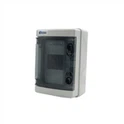
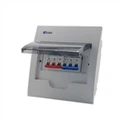
A terminal is a point within the junction box where two wires are connected together. You often have multiple terminals within the same junction box, with each terminal serving as a connection point for two different wires.
Make sure to use a good insulation resistance tester if you need to measure the insulation resistance. If you need to remove the insulation from the tips of the wires, you can use a set of wire strippers to strip the insulation off before connecting the wire to the terminal.
You can think of each terminal within a junction box as a dock within a shipping port. Just as each dock at the port is intended for a different line of shipment, each terminal within a junction box is intended for a different electrical connection.
Just as a shipping port can have multiple docks, so can a junction box. The most common junction boxes are 4 or 6 terminal junction boxes. That said, the exact number of terminals will always depend on how many connections you need to make. When choosing an electrical junction box make sure that you have enough terminals for each pair of wires you wish to connect.
Wiring is run through each terminal to create an electrical junction. You can measure the voltage across the junction using a multimeter. There are a few different ways to connect wires at a terminal. The type of terminal depends on how exactly the wires are connected:
Busbar screw terminals: intended for quick installation, these terminals are secured by screwing each of the cable cores into their own holes.
Single screw terminals: these terminals bring all the cables (e.g. coaxial cables) into one connector point, joined together by a single screw (using a good screwdriver set). They are the most accessible junction terminal, supporting a large number of wirings.
Maintenance-free terminals: these are new types of junction terminals which are clamped, pushed or inserted to secure their various parts rather than screwed on. They are intended as an easy, stress-free solution for junction boxes located in ‘inaccessible’ areas.